The Commission’s newly announced Skills Portability Act can be a real lever for competitiveness, as long as it is practical, avoids new administrative burden and involves the social partners.
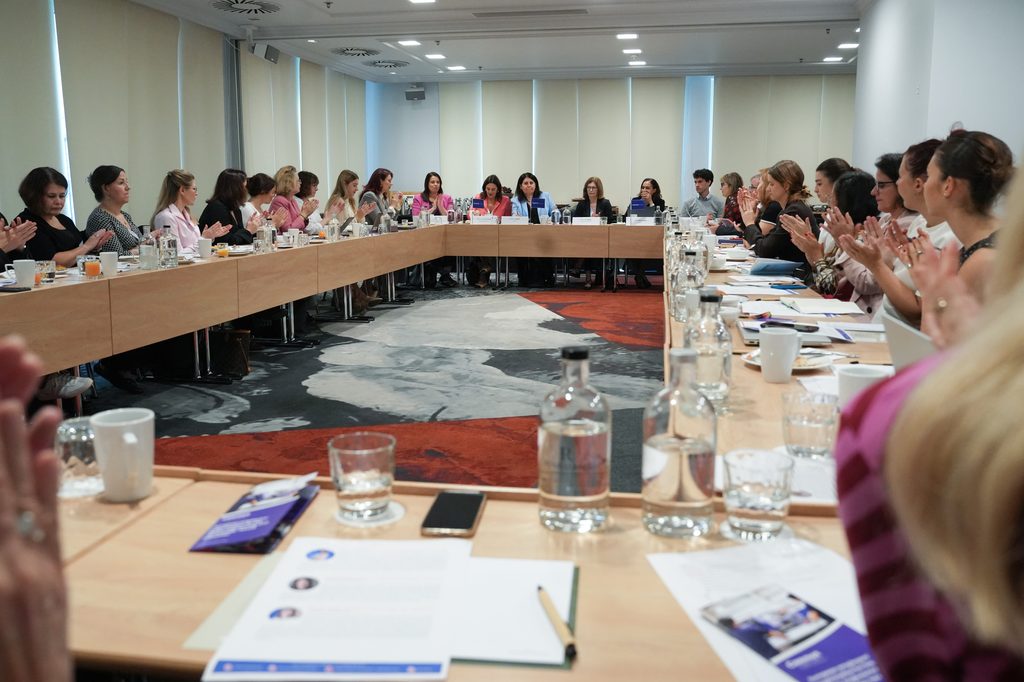
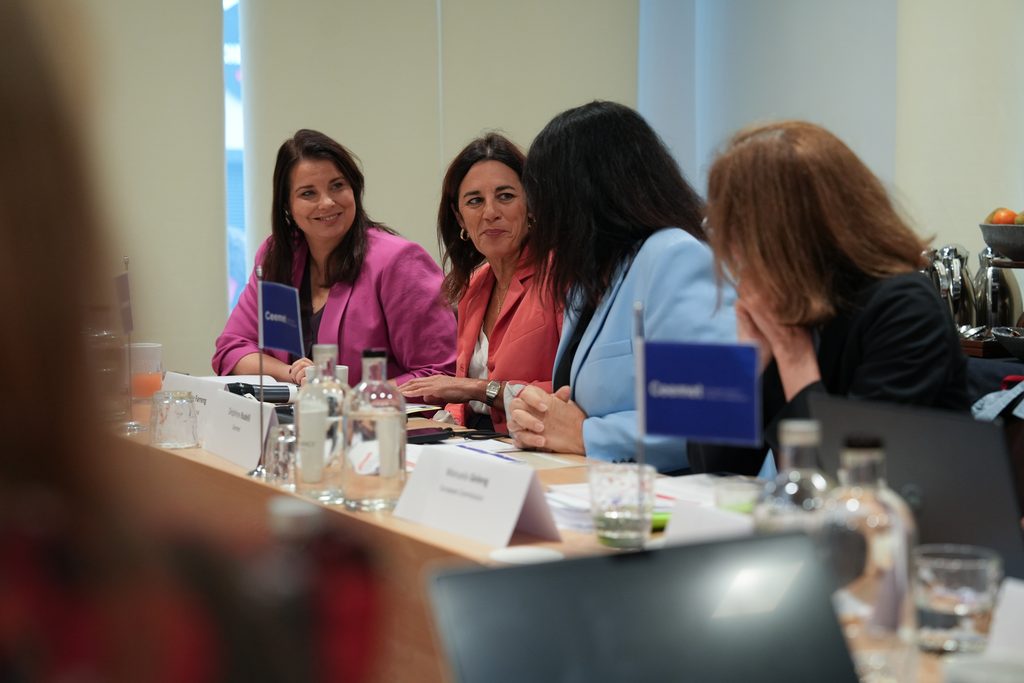
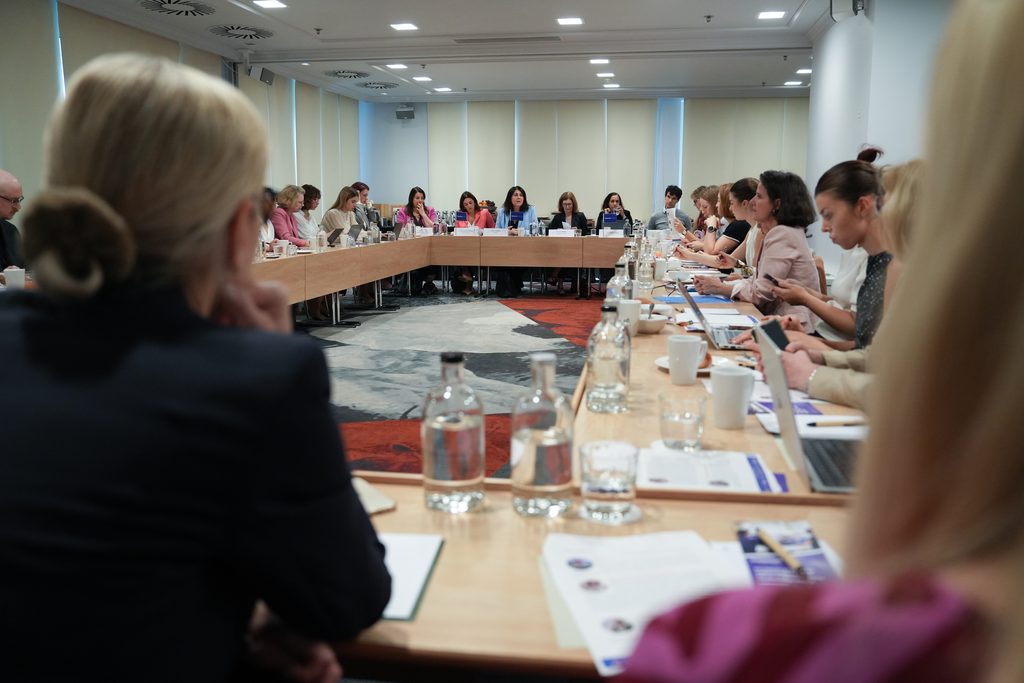
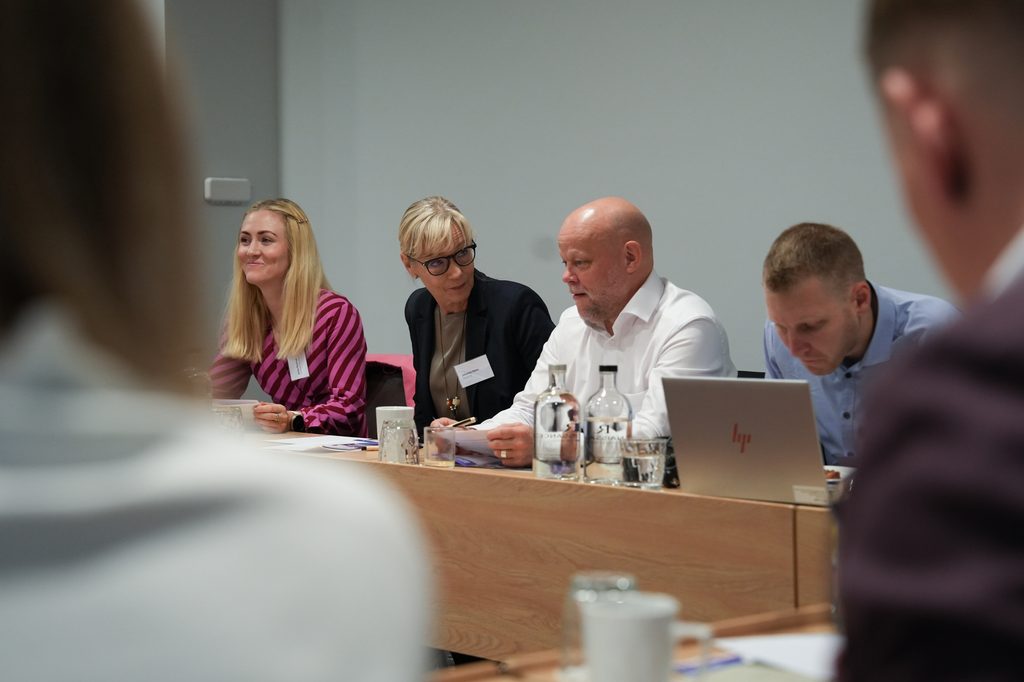
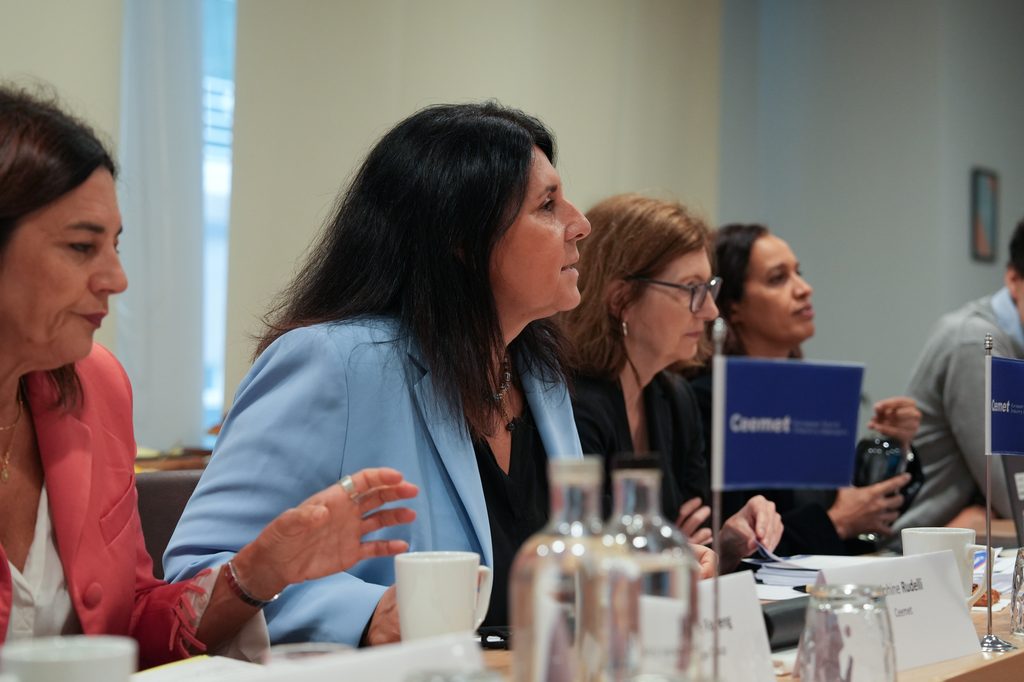
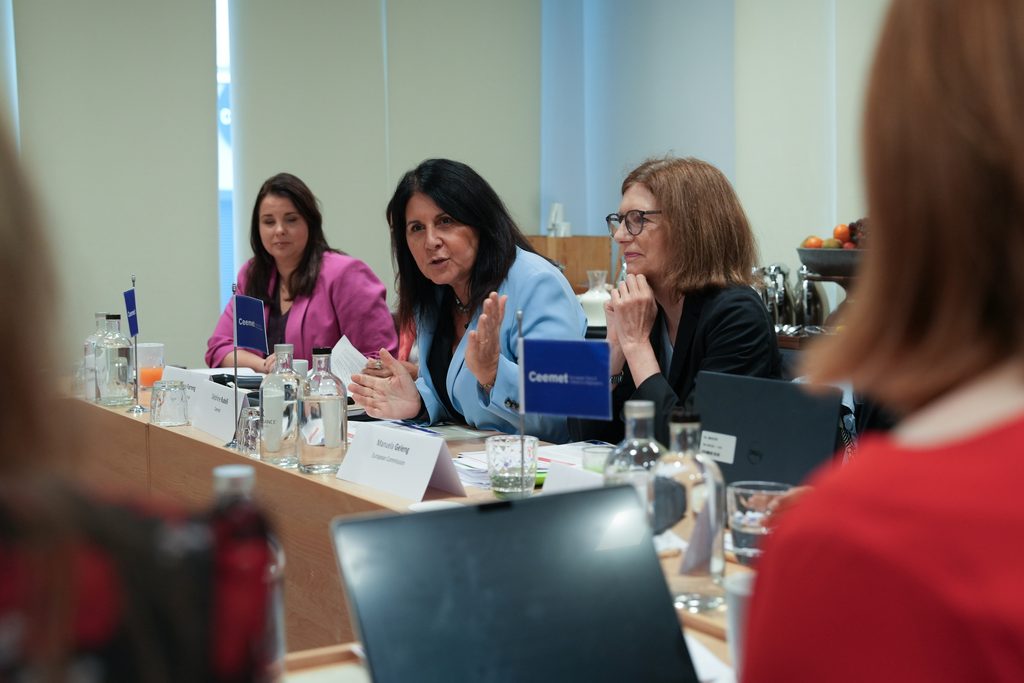
On 30 September, Ceemet brought together policymakers, employers and international experts at the Renaissance Brussels Hotel for the breakfast event “Closing Europe’s skills gap: making skills portability work for competitiveness”. Coming just over two weeks after the European Commission presented its Skills Portability Initiative, the discussion explored how the package can help tackle Europe’s skills crisis, and what more is needed to turn the Act’s ambition into real life results.
A structural skills crisis at the heart of Europe’s industry
Across the metal, engineering and technology-based (MET) industries, a growing mismatch between the skills workers have and those employers need is holding back investment, innovation and competitiveness. Skills shortages are now one of the biggest obstacles facing European companies: according to the EIB Investment Survey 2025, 79% of EU firms cite the availability of skilled staff as a barrier to investment, with MET industry among the hardest-hit sectors.
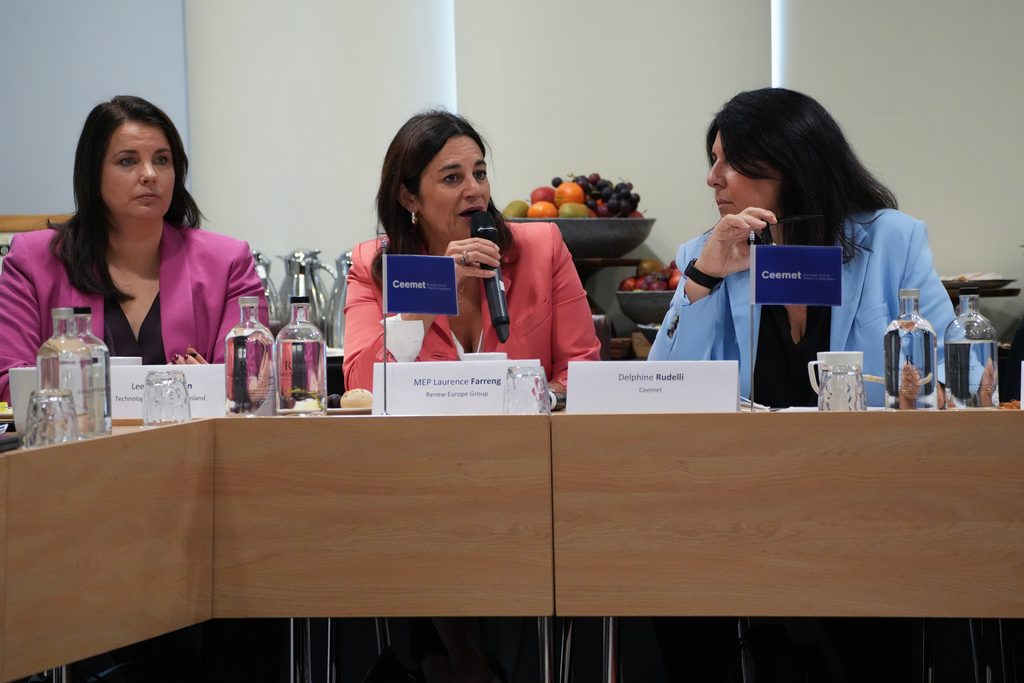
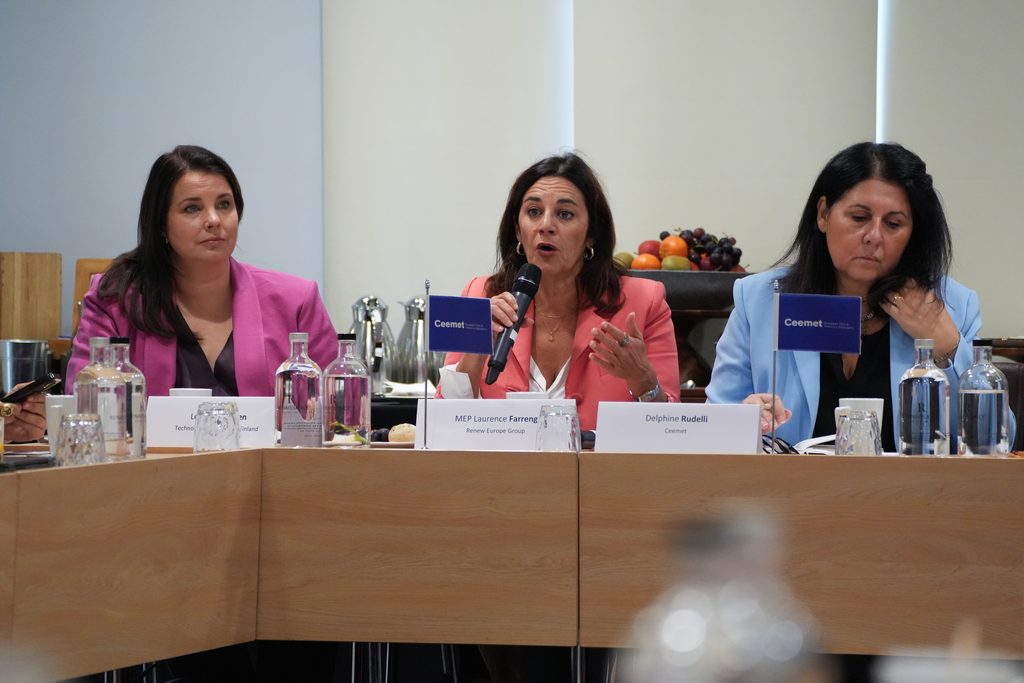
Opening the event, Delphine Rudelli, Director General of Ceemet, welcomed the Commission’s proposal, which comprises a draft regulation on skills portability, an amending directive on professional qualifications and a draft directive on the recognition of qualifications of third-country nationals. Key elements of the draft regulation include issuing qualifications in a standardised digital format available in the EU Digital Identity Wallet, and a new Europass tool linking national qualifications databases, giving employers and workers a simple, free way to understand and compare qualifications across Member States.
“Our industries suffer from serious labour and skills shortages. Simplifying recruitment procedures for employers and making cross-border mobility easier for workers would help companies find the skilled people they need. We welcome the goal of removing barriers to skills portability, and digitising qualifications can make recognition across Member States much easier. But around 95% of MET sector companies in Europe are SMEs. The end result has to be practical and easy to use for them.” – Delphine Rudelli, Director General, Ceemet
The view from Parliament
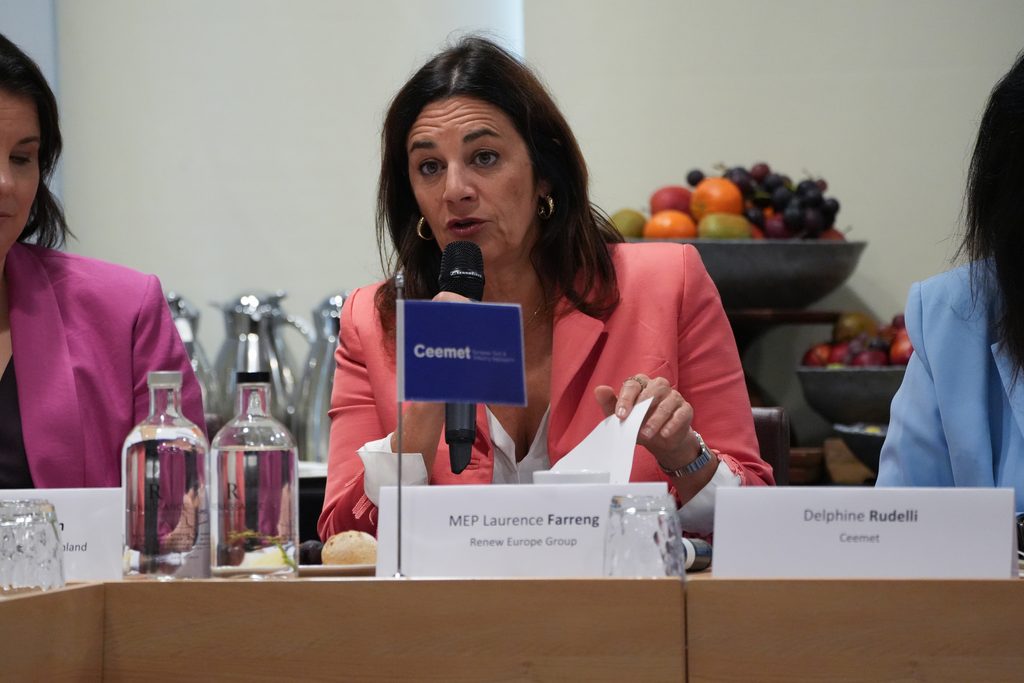
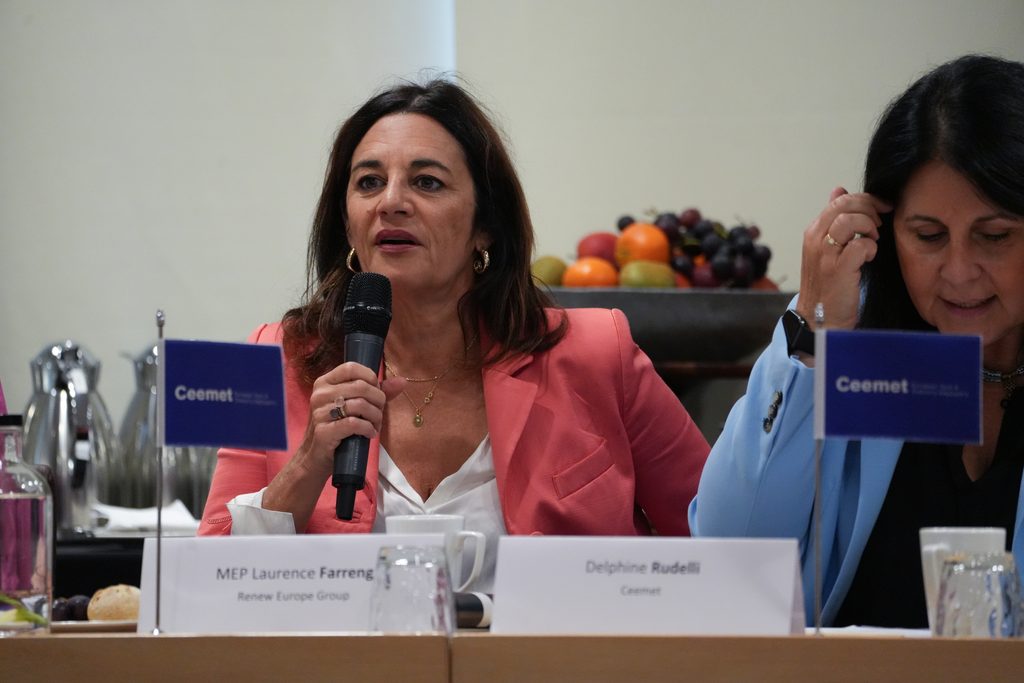
As the draft regulation will move soon to the co-legislators, MEP Laurence Farreng (Renew Europe, France), a long-standing advocate for the recognition of qualifications and VET mobility, set out Parliament’s perspective. Recalling that the free movement of people is one of the Single Market’s founding freedoms, but also its least developed, she described first-hand how complicated it still is to have studies and professional qualifications obtained abroad recognised. She welcomed the proposal’s focus on digitalisation as a real step forward, while warning that AI makes forging certificates ever easier and calling for strong enforcement that does not add complexity. She also asked employers how existing tools such as the European Qualifications Framework (EQF), which works less well for vocational qualifications, could be improved, and invited the panel to give her a bottom-up view from those on the ground.
“Enabling professionals to work in another European country is a way of tackling labour shortages and regaining competitiveness and sovereignty. The Skills Portability Act is an interesting proposal, but we must ensure its enforcement and make the rules easier to understand for SMEs and professionals, not add another layer of complexity.” – MEP Laurence Farreng, Renew Europe
From proposal to practice
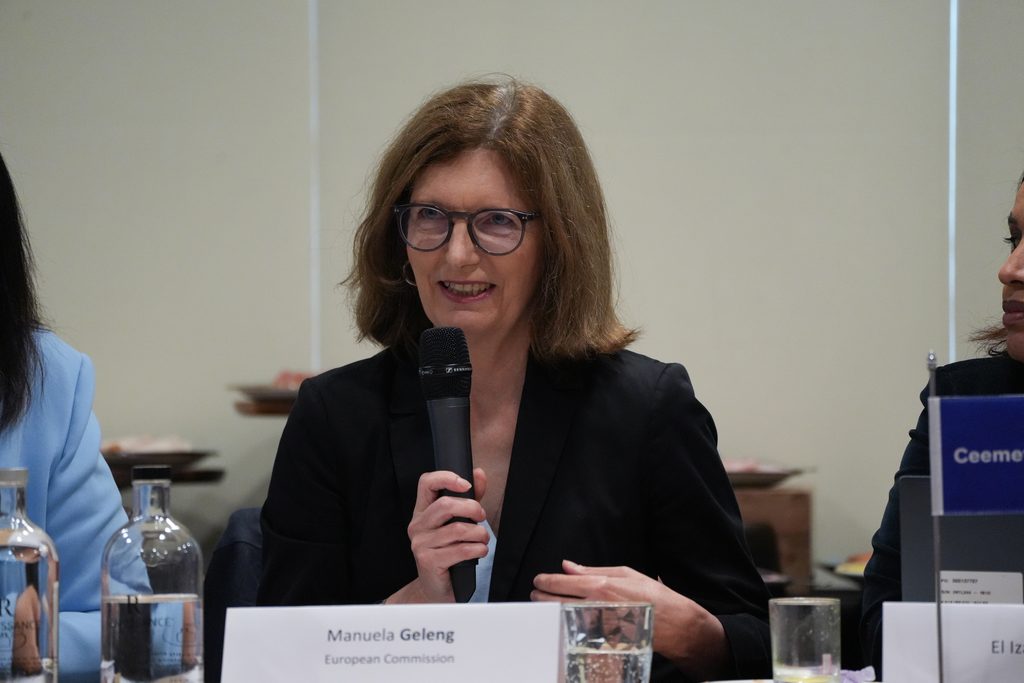
The panel, moderated by Delphine Rudelli, opened with Manuela Geleng, Director for Jobs and Skills at DG EMPL, who presented the objectives of the initiative. Its aim, she explained, is a true single market for skills: some 20 million people work across borders yet still face complicated procedures and qualifications that are undervalued abroad. By digitising qualifications, from secondary level to PhD, in the EU Digital Identity Wallet, employers will be able to verify a diploma’s authenticity with certainty, which matters more than ever as AI makes forgery easier, and see the skills behind it in Europass. She also put numbers on today’s delays: recognising an engineer’s title can take around four months, recruiting from outside the EU takes 14 months on average, and 40% of third-country nationals in the EU work below their level of qualification.
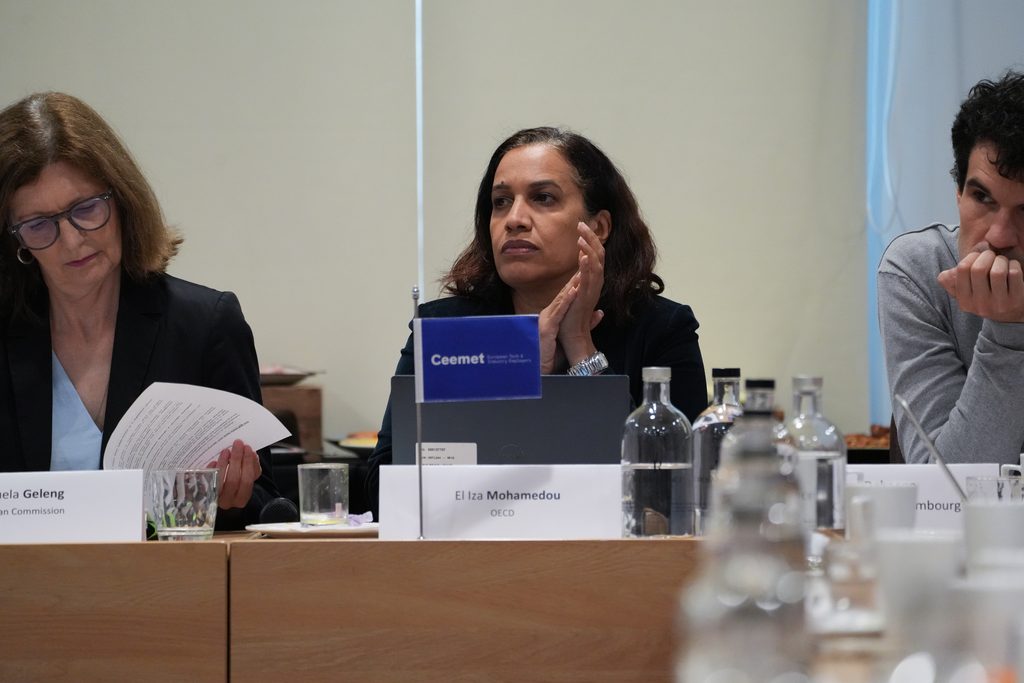
El Iza Mohamedou, Head of the OECD Centre for Skills, drew on international experience to explain what makes skills portability work in practice, highlighting that making a credential portable is not the same as making skills portable. A digital wallet reduces administrative friction, but digitalisation alone cannot manufacture trust: employers still need to know who assessed a skill and against which standard. In her experience, portability works when three things come together: a common language between workers and employers, trusted recognition, and employers, especially SMEs without HR departments, actually using the system.
Leena Pöntynen, Director of Skills and Competence at Technology Industries of Finland and Chair of Ceemet’s Education and Training Committee, pointed out that recognising a foreign degree can still take months, and outlined the quick fixes that would most help companies wanting to hire now. As Finnish employers usually assess skills themselves, what matters most is that qualifications are easy to check and understand, that skills beyond formal certificates become visible, and that the system fits existing recruitment processes rather than creating extra work. The real tests, she said, will be whether the time from application to first day gets shorter, whether costs fall for employers and workers, and whether SMEs can use it without additional help. She also addressed how portability can support transitions between sectors, as companies move workers from shrinking production lines into automation, software and green technologies.
“While the EU concentrates on cross-border mobility, we should also look for solutions across sectors and as career paths within our companies. The benefit comes from using people and their skills in the right way and, when there is a skills gap, being ready to fill it fast and easily.” – Leena Pöntynen, Director of Skills and Competence, Technology Industries of Finland
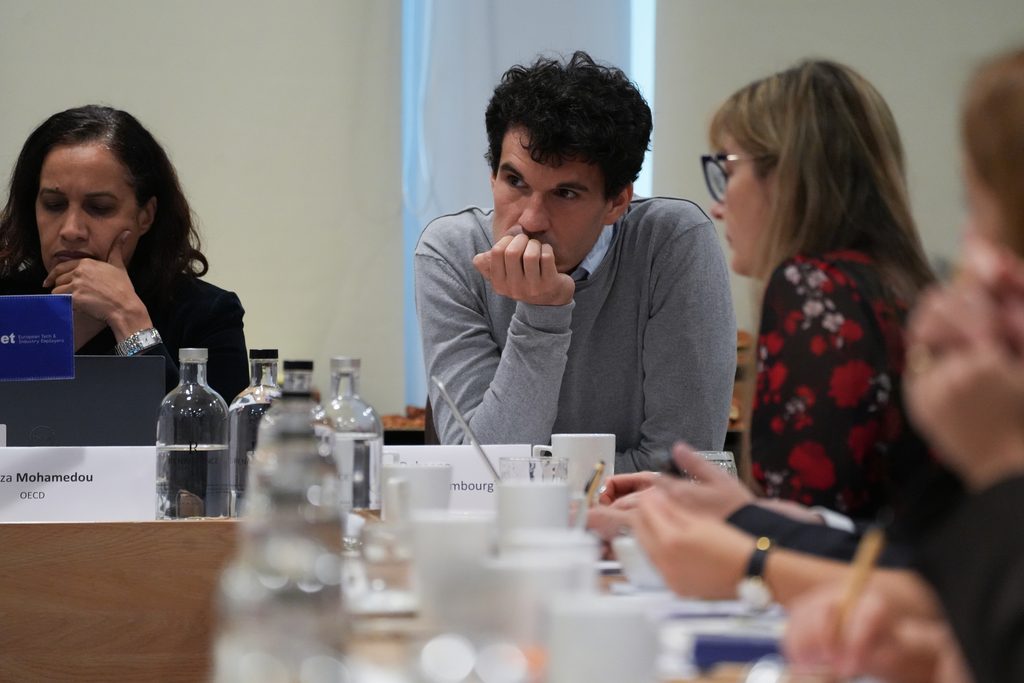
Bram Dehaene, Country Head People and Organisation BeLux at Siemens, shared the reality of recruiting across borders, from the time and cost of verifying qualifications today to what a verified European digital wallet could change in the recruitment process. He cautioned that labour markets are not fully rational: companies will always want to spot talent before their competitors, so the initiative will not solve everything on its own. Even defining what counts as a skill is difficult. At home, employers rely on tacit knowledge of local universities and companies, which disappears when recruiting abroad, where verifying a degree can still mean phoning a university and waiting. He also noted that candidates’ first questions are about social security, pensions and healthcare, so portability must go hand in hand with less red tape for those who move.
“We used to work with product cycles of decades and with AI, it’s months. A qualification no longer tells me much about whether someone can operate in those conditions, but skills do. If we get transparency right, it would be a major game changer, both internally and externally.” – Bram Dehaene, Country Head People and Organisation BeLux, Siemens
Build on what works, and keep it simple
A recurring message from panelists was that portability must not create new administrative burden, and that it should build on schemes already proven at national and sectoral level, often developed by social partners, such as METAPPRENDO in Italy, the skills passport being piloted by FME in the Netherlands, and skills testing in the country of origin in Finland. Ceemet also reiterated its call for existing EU tools, such as the European Qualifications Framework, to be evaluated before new ones are added. Responding, Manuela Geleng stressed that the package is first and foremost about simplification and foresees no costs for companies, with digitalisation costs borne by national administrations with EU support. Only qualifications included in national frameworks and referenced to the EQF will be issued to the wallet, building on 20 years of trust between Member States, so employers will know both that a qualification is authentic and which skills it covers. For Ceemet, the real test will be implementation on the ground and the tools Member States actually put in place.
Speakers also discussed Europe’s place in the global race for talent, and whether portability will make the EU more attractive to skilled workers from outside the Union or merely reshuffle the same scarce talent within the Single Market. The consensus was that attracting talent takes more than matching skills: third-country nationals must be able to build a long-term career and life in Europe, and employers must be ready to recruit, integrate and develop them. Closing the event, Delphine Rudelli said Ceemet will follow the legislative process closely with its members to make sure the final tool is user-friendly and interoperable.
You can find our paper on the Skills Portability Initiative here.